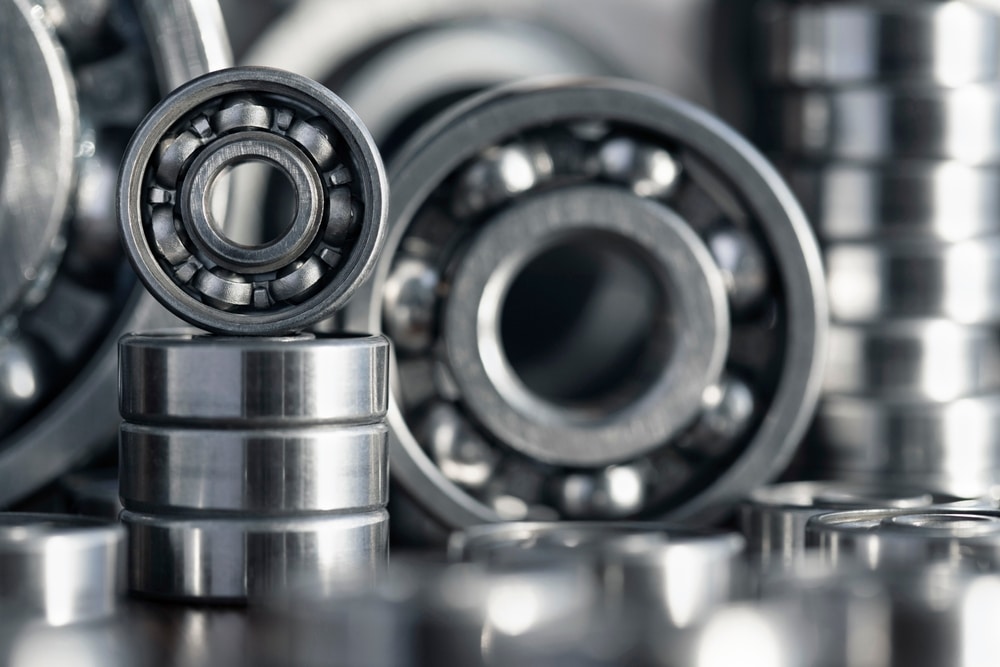
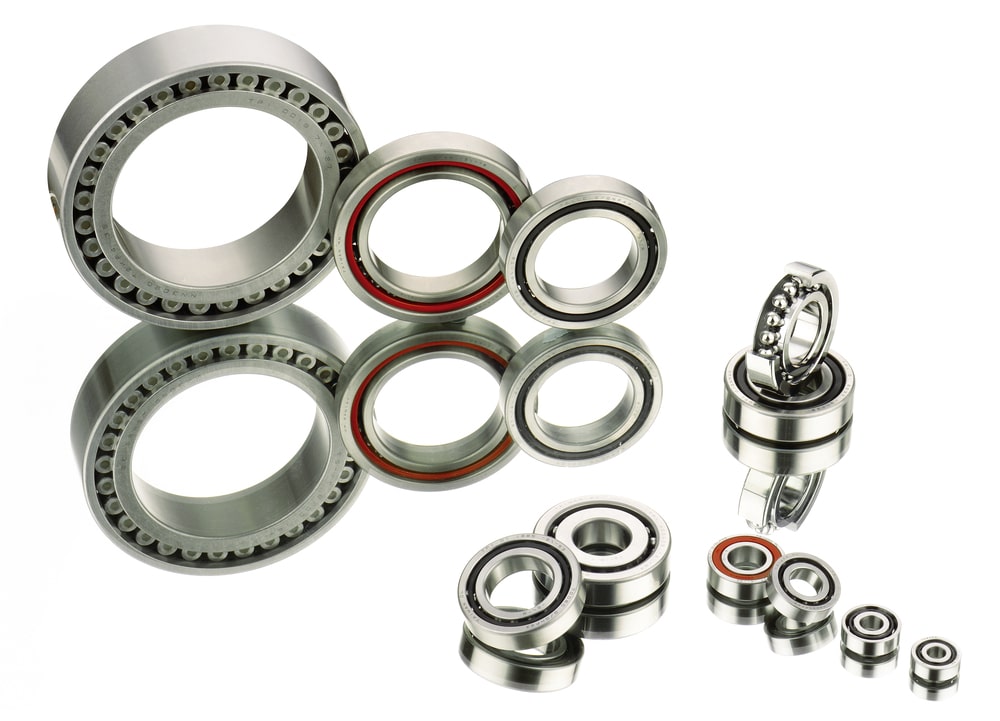
When comparing the durability and lifespan of sleeve bearings versus ball bearings, it’s important to consider the operating conditions. Sleeve bearings typically have a longer lifespan in low-speed, low-load applications with minimal maintenance. However, ball bearings generally outperform sleeve bearings in high-speed or high-load environments due to their ability to handle greater stress without excessive wear. The rolling elements in ball bearings distribute loads more evenly, reducing the contact area and wear, which extends their operational life under demanding conditions.
Noise levels are a significant factor when choosing between sleeve and ball bearings. Sleeve bearings are known for their quiet operation, particularly at lower speeds, making them ideal for applications where noise reduction is critical, such as in HVAC systems and consumer electronics. On the other hand, ball bearings, while generally noisier, provide better performance at higher speeds and under higher loads. In high-speed applications, the noise generated by ball bearings can be mitigated with proper lubrication and advanced design features, but they are still typically louder than sleeve bearings.
Efficiency and power consumption are closely linked in the performance of bearings. Ball bearings offer higher efficiency due to their rolling motion, which reduces friction compared to the sliding motion in sleeve bearings. This increased efficiency means that ball bearings generally consume less power and generate less heat, making them more suitable for applications where energy conservation is a priority. However, in low-speed, low-load applications, the difference in efficiency may be negligible, and sleeve bearings could be preferred due to their lower cost and simpler maintenance.