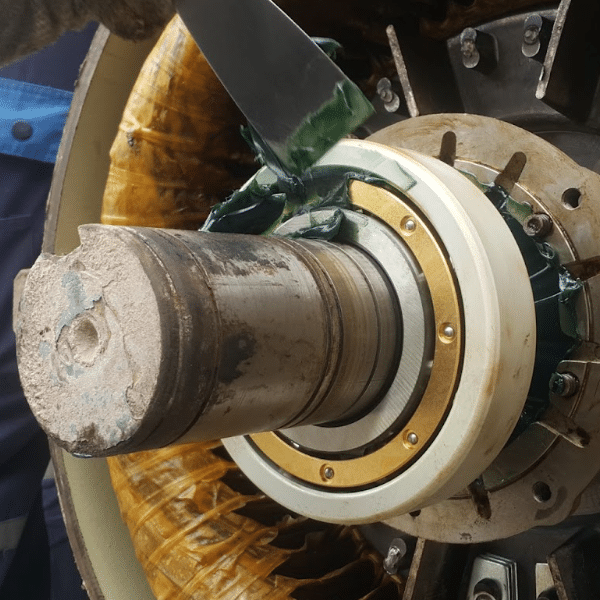
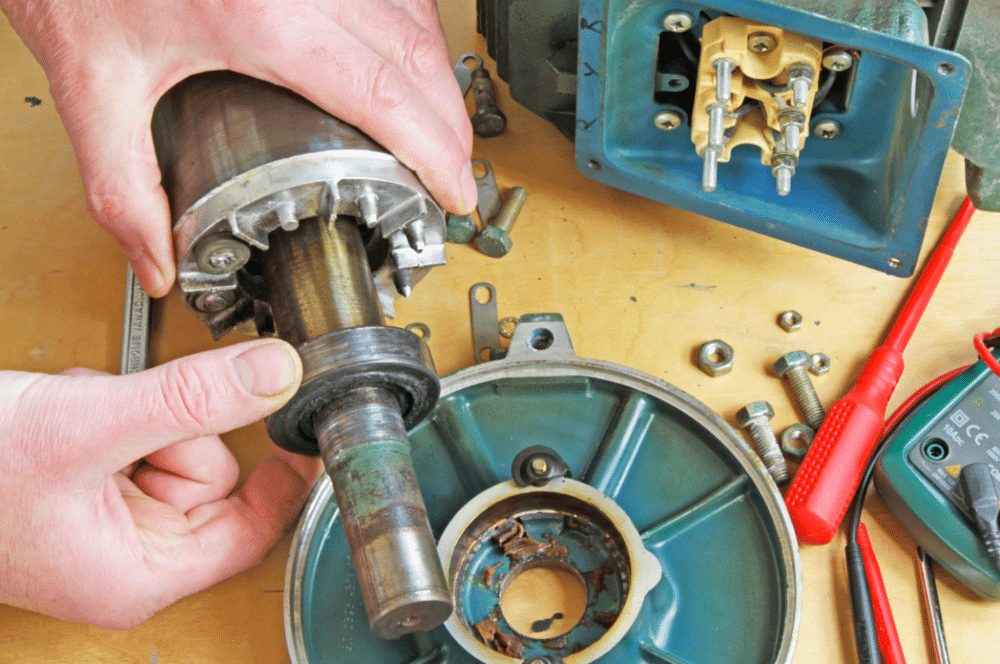
Motor Bearings facilitate power transmission and maintain precise shaft alignment. These bearings are crucial components that support the rotation of the motor’s shaft. It is an essential piece for motors to run smoothly and efficiently. However, like any other mechanical component, motor bearings are subject to wear and tear and so, when it fails, it can lead to a costly downtime.
Here are some consequences of motor bearing failure:
Disrupted Operations
Bearings support rotational movement and reduce friction between parts. Thus, when the bearing fails, it causes unscheduled downtime, improper motor function, or worse, a shutdown. Consequently, this disrupts production processes and daily operations and potentially leads to a loss in revenue.
Extended Damage
When the motor bearing fails, it can lead to secondary damage to other components of the motor, such as the stator, rotor, and shaft. Without the bearings, the motor shaft will rub against the different parts of the motor, causing more friction and vibration. Eventually, it leads to further damage which means more extensive repairs or worse, a motor replacement.
Emergency Repair Costs
An unexpected shutdown is the last thing anyone wants to happen. Hence, emergency repairs are typically more expensive due to the urgency of the situation. In addition, technicians and spare parts may not be readily available too, plus, things like expedited shipping for parts and unscheduled maintenance all the more make emergency repairs even more costly.
That being said, addressing motor bearing issues early on can not only optimize and improve efficiency but also significantly extend your motor’s life span, reduce energy consumption, and lower operational costs.